
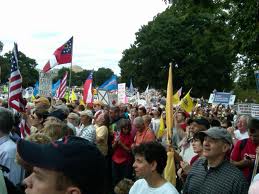
Tea Party Patriots protesting in Washington, D.C.
While we watch revolutions for political democracy in Tunisia, Egypt, Iran, we are distracted from thinking about the revolution aimed at economic democracy growing in the United States. This revolution, symbolized by the Tea Party, is leading a growing demand for restructuring the taxation and spending habits of the United States and the individual states within it. This movement is pushing for reform in the United States, but it is more likely to be an economic revolution than a political one.
The Collapse in Russia in 1991
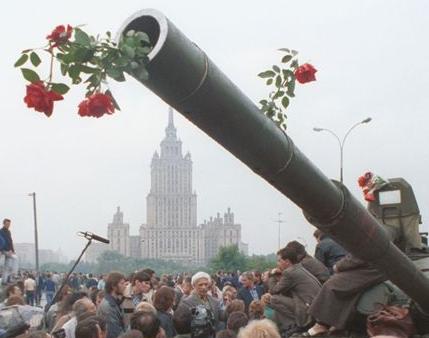
1991 aborted coup attempt in Russia
Having visited Russia over a dozen times before, during, and after the changes for 1989-1992, I witnessed the growing unrest in young people who graduated from college and could not get work. When the Russian revolution came, it was a political revolution aimed at ending the state control of the economy by an elite ruling class known as the nomenklatura[1] that was disenfranchising youth as those with positions selfishly hung onto them with tenacity. The elite had special shops, fashion shows, and hotels while state-run stores that served the common citizen had empty shelves and long lines. It was a society with a visibly growing double standard in which the elite were self-absorbed and inattentive to the needs of their children’s generation. Continue reading →

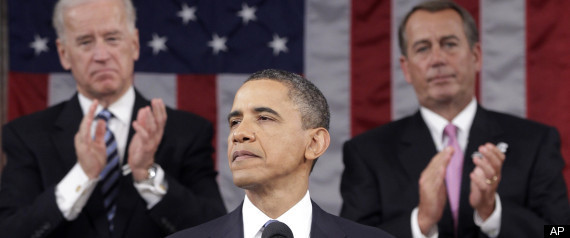
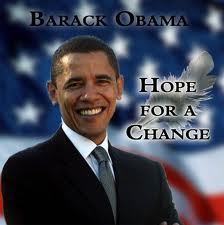
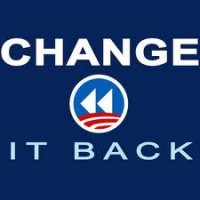 If you listen to some of the Republican leaders gloating after the recent mid-term election, you get the feeling that they feel they have a mandate to return to previous Republican policies. But this was not the case. There are the Republican faithful and the Democratic faithful. Then there is a growing group of independent swing voters who stand for something different. That group went predominately for the Democrats in 2008, and for the Republicans in 2010. But that group is neither for Obama’s version of “change” or the Republicans idea of “giving the change back.”